
6mm float glass
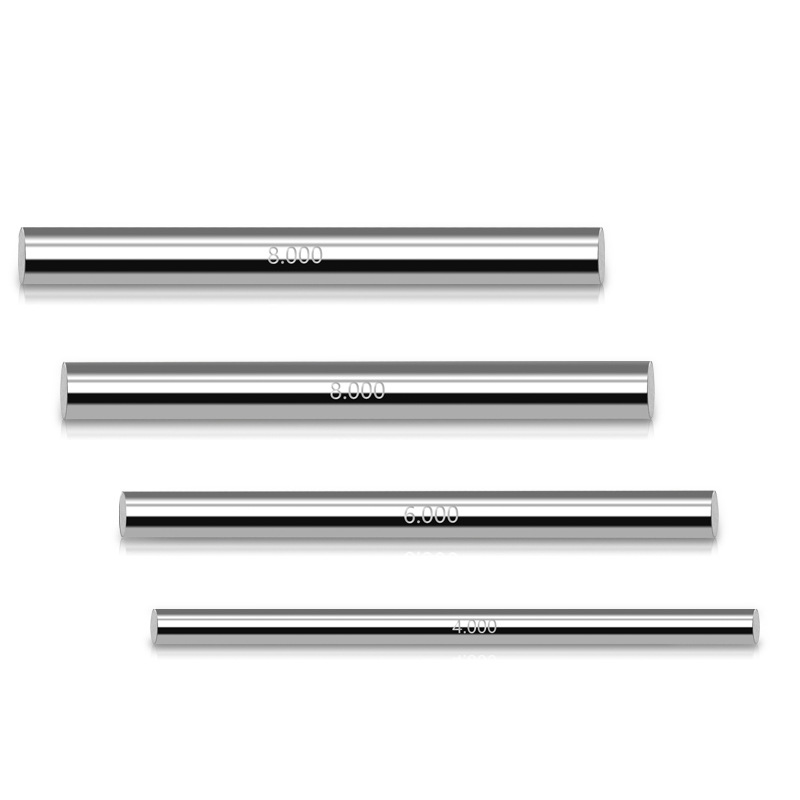
Understanding Standard Pin Gauges Essential Tools in Precision Measurement In the realm of manufacturing and engineering, precision is key. Whether designing intricate components or ensuring that parts fit together seamlessly, the accuracy of measurements can significantly impact the performance of finished products. One crucial tool in achieving this precision is the standard pin gauge, a simple yet effective instrument used to measure the diameters of holes, as well as to check the size of various parts. This article explores the significance, types, applications, and benefits of standard pin gauges. What is a Standard Pin Gauge? Standard pin gauges are cylindrical pins made to specific diameters. They serve as a reference for measuring internal hole sizes and are commonly manufactured from high-strength materials, often stainless steel, to withstand wear and provide longevity. Their precise dimensions make them invaluable in quality control processes, particularly in industries where tight tolerances are crucial, such as aerospace, automotive, and manufacturing. Types of Pin Gauges There are generally two main types of pin gauges plain pin gauges and tapered pin gauges. 1. Plain Pin Gauges These are straight cylindrical pins of uniform diameter throughout their length. They are used for a variety of applications, primarily for checking the diameter of holes to ensure they meet specified tolerances. 2. Tapered Pin Gauges These feature a conical shape that allows for the detection of not just the size but also the contour of the hole. They can provide information about the taper or the angle of the hole, which is crucial in applications where precise alignments are necessary. Pin gauges are typically available in sets that include various sizes according to the specific requirements of measurement. The sizes can be standardized according to ISO or ASTM standards, ensuring interoperability and consistency across different industries. Applications of Pin Gauges The applications of pin gauges are vast and varied standard pin gauge - Manufacturing In production environments, pin gauges are essential for verifying the dimensions of machined parts. They help ensure that components fit together harmoniously, which is particularly important in assembly lines. - Quality Control Pin gauges play a crucial role in quality assurance processes. Inspectors use them to assess the diameter of holes and ensure compliance with engineering specifications, thus maintaining the integrity of the production process. - Tool and Die Making In the creation of tools and dies, pin gauges are used to measure accurate hole sizes, ensuring that the tools will function correctly in their intended applications. - Maintenance and Repair In maintenance sectors, pin gauges assist technicians in diagnosing the wear and tear of components by measuring the size of existing holes and ensuring that they have not exceeded the allowable tolerances. Benefits of Using Standard Pin Gauges 1. Precision The primary benefit of standard pin gauges is their accuracy. When machined correctly, they provide a reliable means of assessing hole sizes and can detect even the slightest deviations from specifications. 2. Simplicity The design of pin gauges is straightforward, making them easy to use. This simplicity allows operators to perform checks quickly and efficiently, reducing time spent on quality assurance. 3. Durability Made from robust materials, pin gauges can endure the rigors of industrial environments, maintaining their measurement accuracy over time. 4. Cost-Effectiveness Compared to sophisticated measuring devices, standard pin gauges are relatively inexpensive, making them accessible to a wide range of industries without compromising accuracy. 5. Versatility With a wide range of sizes available, pin gauges can cater to various measurement needs, making them suitable for different applications and materials. Conclusion Standard pin gauges are indispensable tools in precise measurement practices across various industries. Their ability to deliver accurate measurements quickly and reliably ensures that quality standards are met consistently. As industries continue to evolve and demand higher precision, the role of standard pin gauges will undoubtedly remain pivotal in manufacturing and engineering processes. Embracing these tools not only enhances product quality but also contributes to operational efficiency, underscoring their enduring significance in the world of precision engineering.
about
6mm float glass
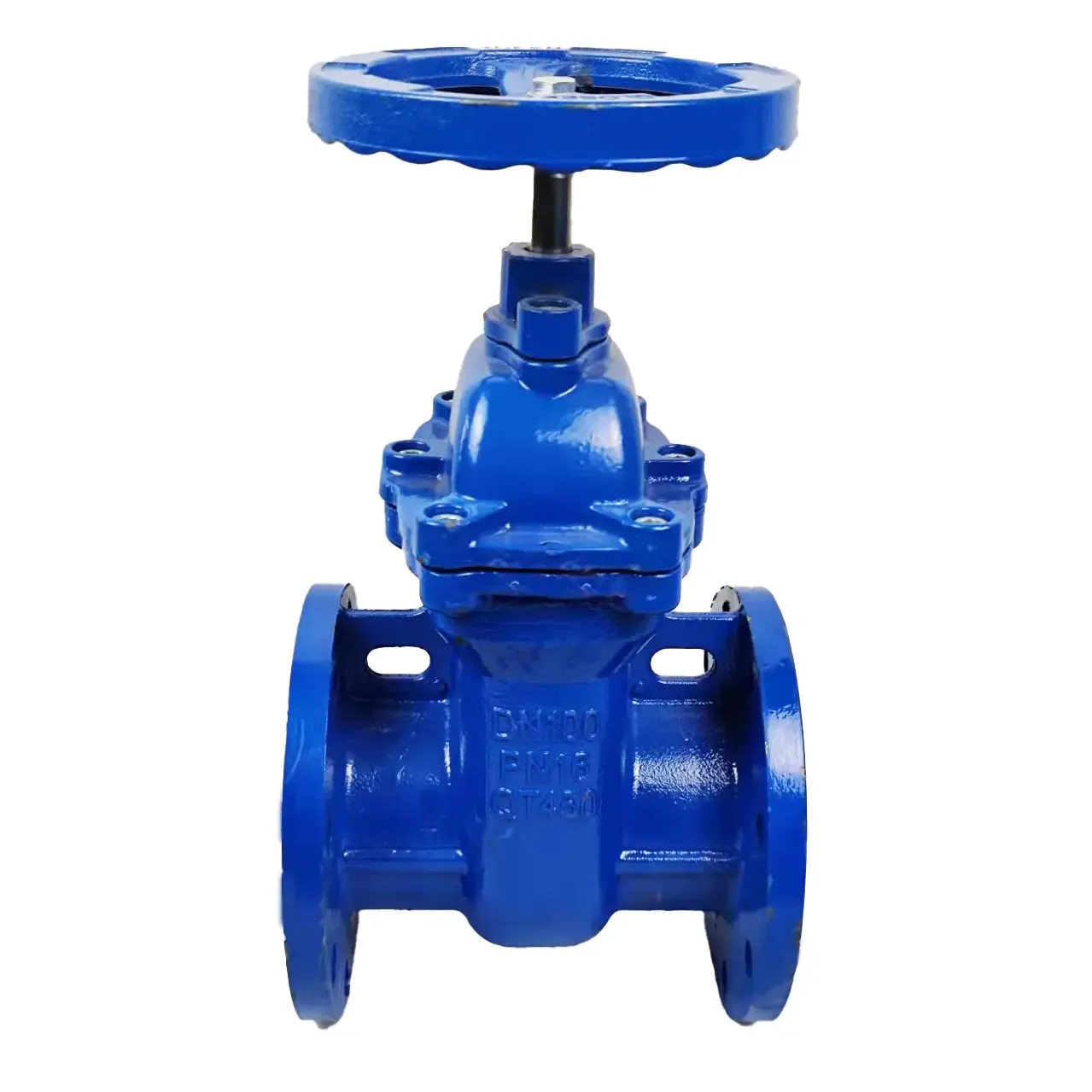
Ulike typer tilbakeslagsventiler Tilbakeslagsventiler er essensielle komponenter i mange rørledningssystemer, og de spiller en kritisk rolle i å forhindre tilbakeløp av væsker. Det finnes flere typer tilbakeslagsventiler, hver med sine egne egenskaper og bruksområder. I denne artikkelen vil vi utforske de vanligste typene tilbakeslagsventiler og deres anvendelser. 1. Sjekkventil (Check Valve) Sjekkventilen, eller tilbakeslagsventilen, er designet for å tillate flow i én retning og forhindre tilbakestrømning. Den fungerer ved hjelp av en bevegelig del, ofte en plugg eller en skive, som åpner seg når væsken strømmer i den tillatte retningen, og lukker seg automatisk når flowretningen endres. Dette er en av de mest brukte typene tilbakeslagsventiler og er ideell for applikasjoner som pumper, rørledninger og vannanlegg. Ulike typer tilbakeslagsventiler 3. Fjærbelastet sjekkventil (Spring-Loaded Check Valve) Fjærbelastede sjekkventiler bruker en fjær for å holde mekanismen lukket når det ikke er flow. Når trykket av væsken overstiger et visst nivå, åpner ventilen seg. Denne typen ventil gir en raskere responstid og er spesielt nyttig i systemer med varierende trykk, som hydrauliske og pneumatiske systemer. check valve types 4. Slangeventil (Diaphragm Check Valve) Slangeventiler bruker en fleksibel membran for å regulere flow. Når væsken strømmer i riktig retning, løftes membranen, og flowen kan passere. Ved tilbakestrømning trykker væsken mot membranen og tetter åpningen. Denne typen ventil brukes ofte i kjemisk prosessering og andre applikasjoner hvor det er behov for å håndtere aggressive væsker. 5. Vertikal og horisontal tilbakeslagsventil Tilbakeslagsventiler kan også kategoriseres basert på installasjonsvinkelen. Vertikale ventiler installeres med rørledningen vertikalt, mens horisontale ventiler installeres med rørledningen i en horisontal posisjon. Valget mellom vertikal og horisontal installasjon avhenger av rørledningssystemets design og plassen som er tilgjengelig. Bruksområder Tilbakeslagsventiler brukes i en rekke forskjellige sammenhenger, fra vannforsyning og avløp til industrielle prosesser og HVAC-systemer. De er spesielt viktige i situasjoner der utilstrekkelig flowkontroll kan føre til katastrofale konsekvenser, som oversvømmelser eller systemfeil. Konklusjon Å velge riktig type tilbakeslagsventil avhenger av applikasjonen og de spesifikke kravene til systemet. Forståelsen av de forskjellige typene ventiler og deres egenskaper kan hjelpe teknikere og ingeniører med å ta informerte beslutninger, noe som resulterer i mer pålitelige og effektive væsketransportløsninger. Hver type tilbakeslagsventil har sine særegne fordeler og begrensninger, og det er viktig å vurdere disse faktorene nøye for optimal ytelse.
-

High quality industrial productsagement

High quality industrial products
View Details -

Meet the diverse needs of customers

Meet the diverse needs of customers
View Details -

Strict quality control

Strict quality control
View Details -

Top raw materials

Top raw materials
View Details -

Trusted supplier

Trusted supplier
View Details
Our application

news and information
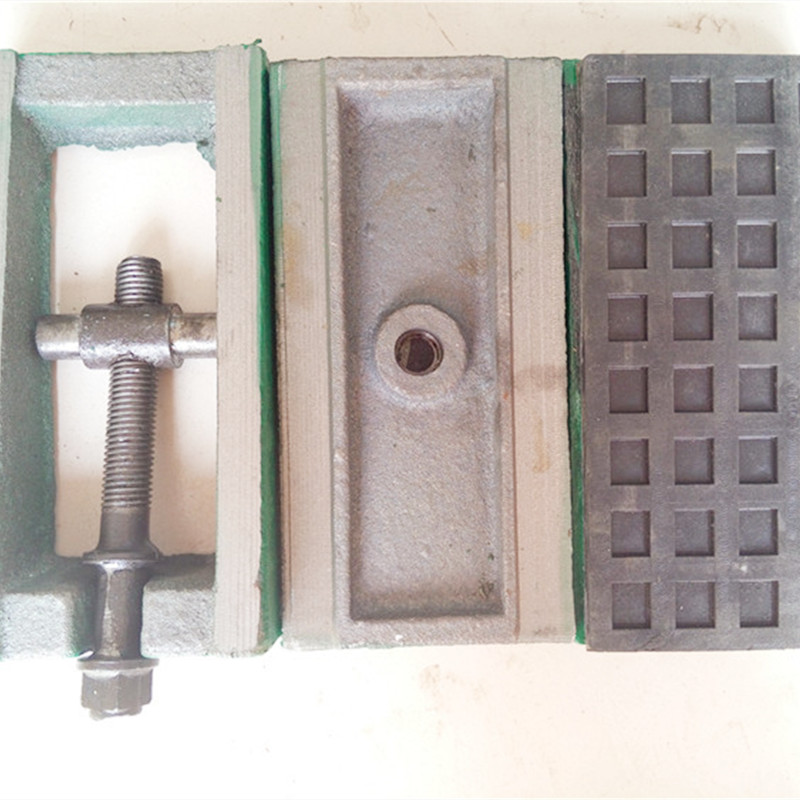
valve
Exploring the Fascinating World of Valves Valves are integral components used in a multitude of syst
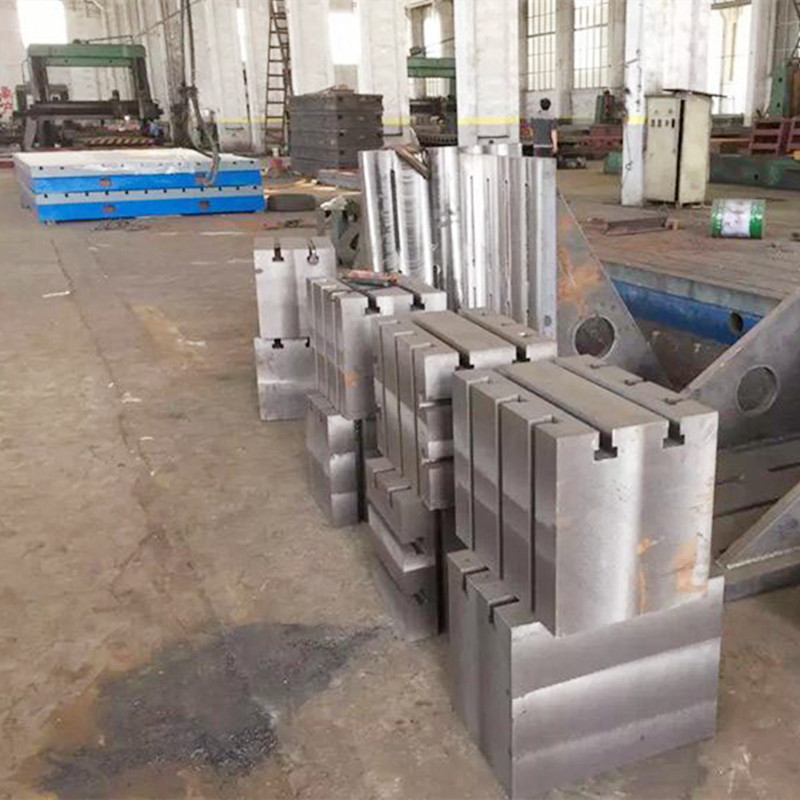
Water Shutoff Valve Installation and Maintenance Guide for Homeowners and Professionals
Understanding Water Shutoff Valves Importance and Functionality Water shutoff valves play a crucial

Vee Blocks for Sale - Premium Quality & Competitive Prices
Vee Blocks for Sale A Comprehensive Guide If you are in the manufacturing, engineering, or quality c
 English